Outgrowing the garage? Choosing your first industrial unit
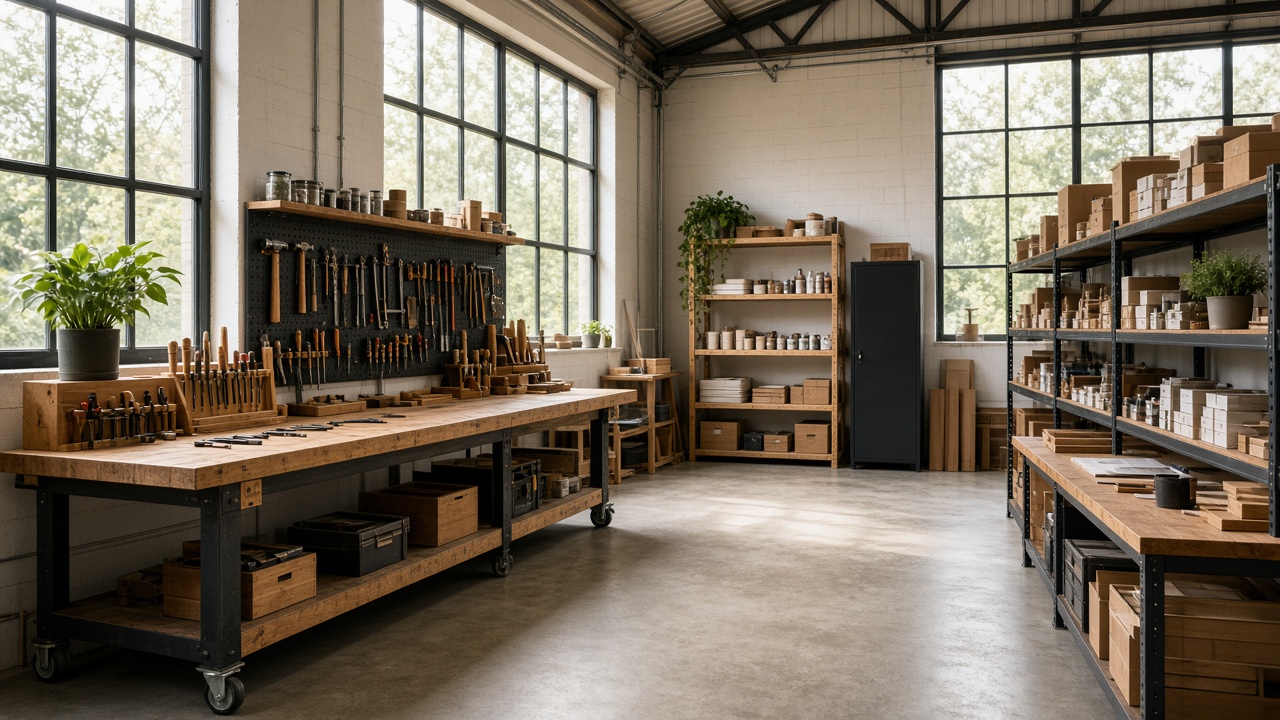
Ready to move out of the garage or spare room? A practical guide to starter workshops, maker spaces, storage, small warehouses and what to check first.
By FlexWorkspace Team
There comes a point in plenty of growing businesses when working from home stops working. Pallet deliveries are blocking the drive, stock is stacked in the hallway, the van takes an hour to load every morning, or you simply cannot fit a second workbench into the garage. Moving into your first commercial unit is a big step, and getting the right type of space makes all the difference to how smoothly your day runs.
Industrial and practical workspace is not one single thing. It covers everything from a small starter workshop or studio maker space to a fulfilment warehouse with an office attached. Here is how to work out which type of unit fits your business, why flexible terms suit a first move, and what to check before you commit.
Which type of unit do you actually need?
Before you look at square footage, start with what happens inside the business on a normal day. Most first-time occupiers are looking for one of five setups:
1. Starter workshops and light industrial units
If you build, repair, fabricate or assemble things, a workshop gives you dedicated room for benches, tools, machinery and materials away from home. Starter units are built for hands-on trade and production work and suit joiners, carpenters, metalworkers, repair specialists and engineers who need practical flooring, decent power and easy vehicle loading without taking on a huge footprint.
2. Maker spaces in studios and workshops
Not every maker needs a roller shutter on a business park. Maker spaces, which generally sit inside converted studio buildings or light workshops, suit craftspeople, product designers, ceramicists, textile studios, jewellers and small-batch producers. They give you a clean, bright space with natural light where you can make, prototype and pack products, and still have a smart setting when clients or buyers come to visit.
3. Business storage units
Sometimes you do not need a full workshop; you just need your stock, tools and materials out of the house or off the back of the van. Unlike domestic self-storage, commercial storage units are set up for everyday business use, often with drive-up access, 24/7 entry and site security so tradespeople, contractors and retailers can load up early and drop off late.
4. Small warehouse and fulfilment units
When online orders or wholesale stock outgrow the spare room, a small warehouse gives you open floor space to receive deliveries, rack inventory and run a proper picking, packing and dispatch line. Having clear zones for goods coming in and couriers collecting each afternoon stops peak trading turning into a bottleneck.
5. Industrial units with office or studio space
If your business splits its time between practical work and desk work, look for a unit that combines operational space with an office or studio. That keeps production, stock, admin, customer service and client visits under one roof rather than splitting your team across two separate premises.
Why flexible terms make sense for your first unit
Taking on your first premises does not mean buying a building or signing a ten-year traditional lease where you are responsible for every repair. Renting a flexible workshop, maker studio or industrial unit keeps your upfront costs down so your cash stays in tools, stock and people.
More importantly, nobody moving out of a garage or spare room knows exactly how much space they will need in eighteen months. Shorter licence agreements or flexible leases let you test the waters with less risk, leave the main building maintenance to the operator, and step up to a larger unit within the operator's portfolio as your orders or headcount grow.
Seven things to check before you sign
1. How your workday flows
Walk through a typical day before you view. For a trade business, that means vans returning, unloading kit, picking up materials and heading out early. For a maker or e-commerce business, it means materials arriving, making or finishing products, packing orders and staging parcels for courier collection. Plan around your busiest week of the year, not a quiet Tuesday.
2. Vehicle access, lifts, doors and height
Check how goods, materials and vehicles get in and out. Ground-floor workshops may have a roller shutter, double doors or a loading bay, while upper-floor maker studios need a goods lift and wide corridors that can handle pallets or sheet materials. If you plan to install racking or a mezzanine in an industrial unit, check the eaves height as well as the floor area.
3. Power, extraction and broadband
Standard sockets are fine for laptops, sewing machines and label printers, but heavier machinery, saws, kilns, laser cutters or welding kit often need three-phase power, proper ventilation or dust extraction, and a floor rated for the weight. Upgrading power later is slow and expensive, so check what is already wired in. Make sure the internet connection is up to scratch too if you rely on cloud stock systems or online checkout software.
4. Security and overnight parking
If you are leaving valuable tools, machinery or stock on site, look at how both the unit and the wider estate or building are secured, from CCTV and gated or fob entry to alarm systems. If you run commercial vehicles, check whether vans can be parked securely on site overnight.
5. Staff and visitor basics
A garage has the house next door for a kettle and a bathroom; a commercial unit needs its own facilities. Check where the toilets, kitchen or brew area, heating and parking are, and whether there is a reception or meeting room you can book if you are welcoming clients or buyers to the site.
6. Permitted use and working hours
Every commercial property has a planning use class. In England, light industrial and studio maker work that could sit near housing without bothering neighbours generally falls under Class E(g)(iii), heavier general industrial falls under Class B2, and storage or distribution sits under Class B8. Specialist uses such as motor trade, commercial kitchens or fitness spaces can have their own rules. Always confirm that your exact activity, equipment and working hours are allowed before signing.
7. What the monthly price includes
Headline rent is only part of the picture. Ask for a clear breakdown of what is included in the monthly fee and what is billed on top, such as service charges, buildings insurance, electricity and utilities, and business rates, plus the notice period required if you want to move or expand.
Find your first unit on FlexWorkspace
Once you have a list of what you make or store, the power and access you need, and how long you want to commit, you can rule out the wrong spaces before spending a morning driving around industrial estates.
Browse flexible industrial space and workshops on FlexWorkspace, or hit the "Near Me" button under the search bar on the FlexWorkspace homepage to see the closest workshops, studios and units to where you are. FlexWorkspace is free for occupiers to search and enquire.